
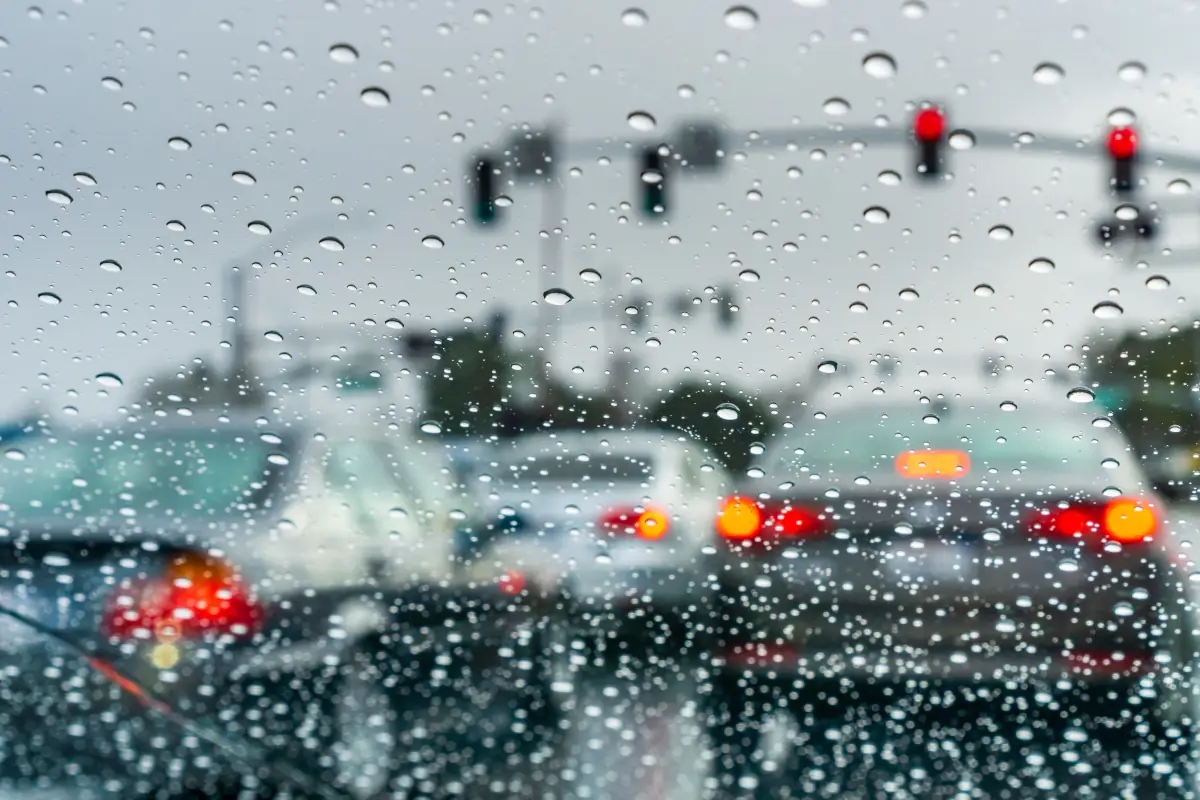
Here in Santa Rosa, we're no strangers to wet weather. When the rains come, local drivers face unique challenges that can affect both safety and vehicle condition. As your local auto body experts at Downtown Collision, we understand how proper preparation and driving techniques can help prevent accidents and the need for collision repair during rainy seasons.
| Topic | Key Points |
|---|---|
| Hydroplaning Prevention | Reduce speed, maintain proper tire tread, avoid standing water |
| Safe Following Distance | Increase to 5-6 seconds, allow for longer stopping distances |
| Vehicle Maintenance | Check wipers, headlights, tire pressure, and tread depth regularly |
| Emergency Preparedness | Know proper braking techniques, carry emergency kit, plan routes |
Understanding Hydroplaning and How to Prevent It
Hydroplaning occurs when your tires lose contact with the road surface and ride on a thin layer of water instead. According to the National Highway Traffic Safety Administration (NHTSA), hydroplaning can occur at speeds as low as 35 mph, depending on the depth of water, tire tread condition, and vehicle weight. This dangerous situation essentially turns your vehicle into an uncontrollable water sled.
For your peace of mind, understanding the mechanics of hydroplaning can help prevent potentially serious accidents. Hydroplaning typically happens when water cannot be dispersed quickly enough between your tires and the road. As professional auto body technicians, we see the aftermath of hydroplaning accidents regularly during Sonoma County's rainy season, and many could have been prevented with proper knowledge and preparation.
Preventing hydroplaning starts with proper vehicle maintenance, particularly your tires. I-CAR standards recommend maintaining proper tire pressure according to your vehicle manufacturer's specifications and replacing tires when tread depth falls below 4/32 of an inch for wet conditions. Our auto body repair experts can help assess your vehicle's condition and recommend maintenance that might help prevent weather-related accidents.
Essential Maintenance for Wet Weather Driving
As your local auto body experts, we recommend preparing your vehicle before the rainy season begins. Start with a thorough inspection of your windshield wipers, which should be replaced every 6-12 months depending on use and climate conditions. Here in Sonoma County, where we experience distinct wet and dry seasons, many drivers find they need to replace wipers annually before the first rains arrive.
Your vehicle's ability to navigate wet roads safely depends on several critical maintenance factors:
- Tire tread depth should be checked regularly using the penny test—insert a penny with Lincoln's head upside down; if you can see the top of his head, your treads are too worn for safe wet weather driving.
- Proper tire inflation is crucial as underinflated tires reduce contact with the road and increase hydroplaning risk while overinflated tires can reduce traction in wet conditions.
- Functioning headlights and taillights ensure visibility to other drivers, especially during heavy rain when visibility is naturally reduced.
- Brake system inspection is vital since wet brakes require longer stopping distances—professional inspection can identify issues before they become dangerous.
- Windshield treatment products can improve visibility by helping water bead and roll off your windshield more effectively.
Regular maintenance not only keeps you safer on wet roads but can prevent the need for more serious RV repair or auto body work after weather-related incidents. Professional auto body technicians understand the connection between proper maintenance and accident prevention.
Advanced Wet Weather Driving Techniques
When driving in wet conditions, adjusting your driving behavior is just as important as vehicle maintenance. Studies by the Federal Highway Administration show that approximately 75% of weather-related crashes happen on wet pavement, with reduced traction being a primary factor. Reducing your speed by 5-10 mph below the posted limit during rainy conditions can significantly improve safety.
Proper wet weather driving techniques include:
- Increasing following distance to at least 5-6 seconds behind the vehicle ahead
- Avoiding sudden movements such as quick lane changes or hard braking
- Using headlights even during daylight rain to increase visibility to other drivers
- Avoiding cruise control which can delay response time if hydroplaning occurs
- Taking corners more slowly to prevent skidding on wet surfaces
Braking technique becomes especially important on wet roads. According to driving safety experts, if you begin to skid, steer in the direction you want to go while avoiding slamming on the brakes. Modern anti-lock braking systems help maintain control during wet weather braking, but they still require longer distances to stop completely compared to dry conditions.
For your peace of mind, know that in the event of an accident, our I-CAR Gold Class certified technicians at Downtown Collision have the expertise to restore your vehicle to pre-accident condition. We also offer loaner vehicles while your car is being repaired, minimizing disruption to your daily life.
Hydroplaning Prevention
Reduce speed, maintain tire tread, avoid standing water.
Safe Following Distance
Maintain a distance of 5-6 seconds, allowing for longer stops.
Vehicle Maintenance
Check wipers, headlights, tire pressure, and tread depth routinely.
Emergency Preparedness
Know braking techniques, carry an emergency kit, plan your routes.
Local Considerations for Sonoma County Drivers
Here in Sonoma County, certain roads become particularly hazardous during wet weather. Winding roads through the Russian River area, steep descents in the coastal ranges, and areas prone to flooding require extra caution. Our experience with local vehicles has taught us that being aware of these high-risk areas can help prevent accidents.
As a community-focused business, we recommend planning your route in advance during heavy rain events, checking local traffic reports, and avoiding roads known to flood. The Sonoma County Department of Transportation often posts warnings about hazardous road conditions during severe weather events that can help guide your travel decisions.
Remember that your stopping distance on wet roads increases substantially—by some estimates, it takes nearly twice the distance to stop on wet pavement compared to dry roads. This is particularly important to remember when approaching intersections or driving in heavy traffic conditions throughout Santa Rosa and surrounding areas.
Conclusion: Staying Safe on Wet Roads
Wet weather driving requires extra attention, proper vehicle maintenance, and adjusted driving techniques. By maintaining your tires, wipers, and brakes, reducing your speed, increasing following distance, and being prepared for emergency situations, you can significantly reduce your risk of accidents during rainy conditions.
As your local partners in vehicle care, Downtown Collision is committed to helping our Sonoma County community stay safe on the roads in all weather conditions. Our team of I-CAR Gold Class certified technicians is here to help with preventative maintenance recommendations and professional repairs should the need arise.
If you have questions about preparing your vehicle for wet weather or need assistance after a weather-related incident, we invite you to contact us directly. As a partnership-owned business serving Santa Rosa and Sonoma County, we take pride in keeping our community safe on the road, whatever the weather brings.