
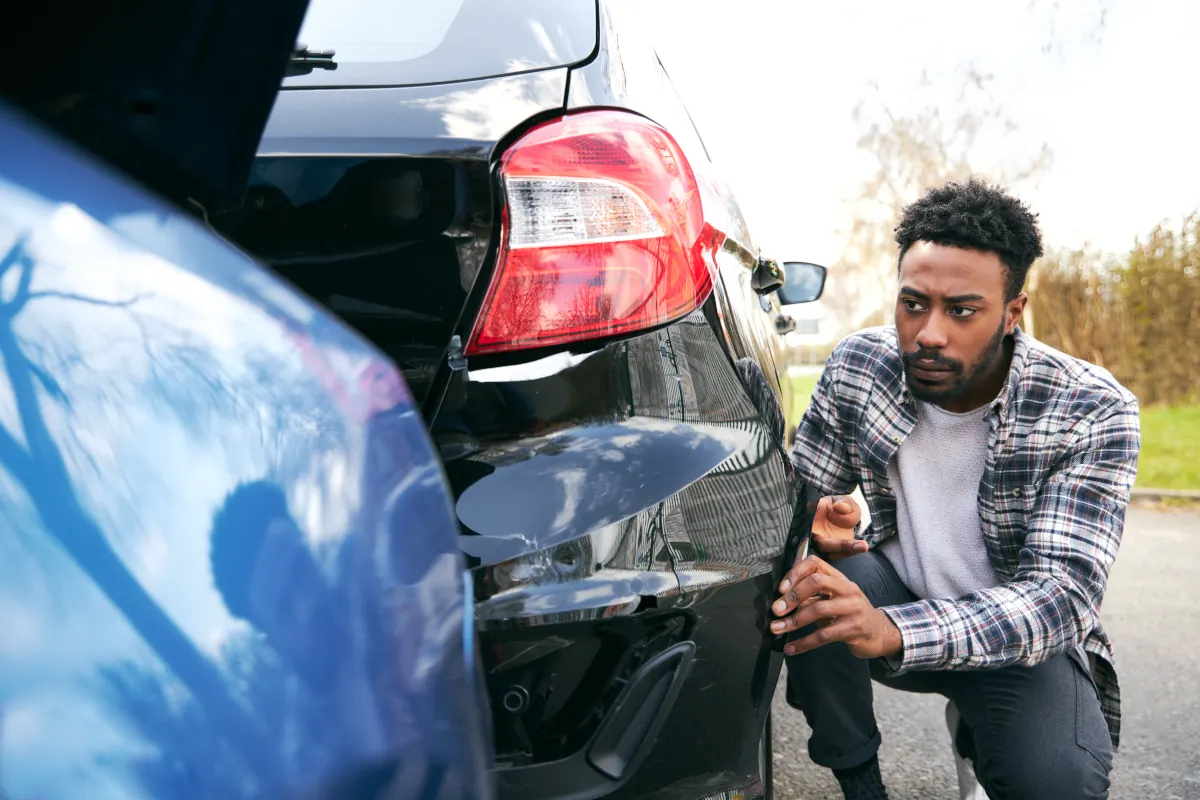
You’re running errands in Santa Rosa, maybe heading down Mendocino Avenue or cutting through Railroad Square, when someone taps the corner of your fender in a parking lot. The damage looks minor—a small dent, maybe some scratched paint. But when you get home and try to close your door, something feels off. It sticks. It doesn’t latch smoothly. It makes a sound it never made before.
Here in Sonoma County, where we rely on our vehicles to navigate everything from downtown traffic to winding rural roads, a door that won’t close properly isn’t just an annoyance—it could signal hidden damage that compromises your safety and your vehicle’s structural integrity.
| Topic | Key Points |
|---|---|
| Door Alignment Issues | Often indicate underlying frame or structural damage requiring professional assessment |
| Safety Concerns | Misaligned doors may not latch securely, creating ejection risks in subsequent collisions |
| Hidden Damage | Surface-level fender damage frequently masks more serious structural problems |
| Repair Urgency | Prompt professional evaluation prevents worsening damage and maintains vehicle value |
Understanding Why Your Door Isn’t Closing Properly
When a vehicle sustains impact—even from what appears to be a minor fender bender—the force doesn’t simply stop at the point of contact. Energy transfers through your vehicle’s interconnected structural components, often affecting areas you can’t see. Your door’s inability to close correctly serves as a warning signal that something beneath the surface has shifted.
According to I-CAR (Inter-Industry Conference on Auto Collision Repair), modern vehicles are designed with crumple zones and unibody construction that distribute collision forces throughout the frame. This engineering marvel protects occupants during crashes but means that damage from an impact can travel far from the initial point of contact. A hit to your fender can absolutely affect your door’s alignment.
The door frame, hinges, and latching mechanism all depend on precise alignment to function correctly. When your vehicle’s frame experiences even slight deformation, those tight tolerances get disrupted. What feels like a sticky door today could indicate frame damage that affects your vehicle’s crashworthiness tomorrow—making professional collision damage repair essential rather than optional.
The Hidden Dangers of Ignoring Door Alignment Problems
Your vehicle’s doors aren’t just entry points—they’re critical safety components engineered to protect you. The National Highway Traffic Safety Administration emphasizes that properly functioning door latches and structural integrity are essential for occupant protection during collisions. A door that doesn’t close correctly may not stay closed during an accident, dramatically increasing ejection risk.
Beyond immediate safety concerns, misaligned doors create cascading problems for your vehicle. Water infiltration becomes likely when door seals don’t meet properly, leading to interior damage, electrical issues, and mold growth—particularly problematic during Sonoma County’s rainy season. Wind noise and decreased fuel efficiency follow as aerodynamics suffer from gaps in the body panels.
For vehicle owners considering whether to address door alignment issues, here’s what’s at stake:
- Structural Integrity Compromise: Frame damage weakens your vehicle’s ability to protect you in future collisions, as the engineered crumple zones may not perform as designed
- Latch Failure Risk: A door that struggles to close may fail to stay latched during sudden stops or impacts, creating serious safety hazards
- Progressive Damage: Misalignment places abnormal stress on hinges, weather stripping, and surrounding body panels, causing accelerated wear
- Resale Value Impact: Documented structural damage that goes unrepaired significantly decreases your vehicle’s market value
- Insurance Complications: Delaying repairs can complicate future claims if additional damage occurs
Understanding these risks helps explain why our auto body repair services prioritize thorough damage assessment before any repair work begins.
What Professional Diagnosis Reveals
When you bring a vehicle with door alignment issues to qualified technicians, the evaluation process goes far beyond simply adjusting hinges. I-CAR Gold Class certified shops utilize computerized measuring systems to assess your vehicle’s frame dimensions against manufacturer specifications. This technology detects deviations measured in millimeters—variations invisible to the naked eye but critical to your vehicle’s safety performance.
During a professional assessment, technicians examine multiple potential problem areas:
- Frame rails and unibody structure: Checking for bends, kinks, or compression damage that affects overall vehicle geometry
- Door hinges and mounting points: Assessing whether hinge bolts have shifted or hinge mounts have sustained damage
- Rocker panels and A-pillars: Examining the structural components that support your door opening
- Latch mechanisms and striker plates: Ensuring the door’s closing hardware remains properly positioned
- Weather stripping and seals: Verifying that protective barriers will function once alignment is corrected
Frame straightening technology allows certified technicians to restore your vehicle’s structural geometry to factory specifications. This isn’t a process of simply bending metal back into place—it requires precise measurements, controlled force application, and verification that all structural points align correctly. According to the Automotive Service Association, proper frame repair is essential for maintaining vehicle safety systems’ effectiveness.
This diagnostic thoroughness matters whether you’re driving a compact car or a larger vehicle. Even our RV repair services follow similar principles, because structural integrity affects vehicles of all sizes.
The Repair Process: What to Expect
Once technicians identify the source of your door alignment problem, the repair approach depends on the damage extent. Minor misalignment might require hinge adjustment or striker plate repositioning. More significant damage could necessitate frame straightening, panel replacement services, or component rebuilding to restore proper function.
Quality collision repair facilities invest in proper equipment because your safety depends on precision. Our 80-foot paint booth facility—the only one in Sonoma County—allows us to handle vehicles of all sizes while maintaining controlled environments essential for paint matching and finishing work. However, the structural repairs that happen before any paint touches your vehicle matter even more for your long-term safety.
The repair timeline varies based on damage severity and parts availability. During this period, staying mobile matters—which is why loaner vehicle programs exist to keep your life moving while professionals restore your vehicle correctly. Rushing repairs to get your car back faster never serves your best interest when structural integrity is at stake.
Throughout the process, transparent communication keeps you informed about findings, repair approaches, and timeline expectations. Insurance claim assistance helps navigate coverage questions, ensuring you understand your options and aren’t left with unexpected costs.
Door Alignment Issues
May signal frame or structural damage needing a professional check.
Safety Concerns
Misaligned doors risk not latching safely, raising ejection hazards.
Urgency in Repairs
Timely evaluation stops further damage and preserves vehicle value.
Making the Right Decision for Your Vehicle
That door that won’t close right? It’s your vehicle communicating that something needs attention. Ignoring the message doesn’t make the underlying problem disappear—it allows damage to worsen while potentially compromising your safety every time you drive.
As your local auto body experts here in Sonoma County, we’ve seen countless “minor” fender benders reveal significant structural damage during proper assessment. We’ve also seen vehicle owners relieved to discover their concerns were easily addressed once evaluated professionally. Either way, knowledge empowers better decisions.
If your door isn’t closing correctly after a collision—or you’ve noticed any changes in how your vehicle’s panels align, how doors sound when closing, or how your vehicle handles—professional evaluation provides the answers you need. Our I-CAR Gold Class certified technicians have the training and equipment to assess damage accurately and restore your vehicle to safe operation.
Ready to get answers about your vehicle’s condition? Contact our team to schedule an assessment. As a partnership-owned local business, we’re invested in our community’s safety on Sonoma County roads—and that starts with honest, thorough evaluation of every vehicle that comes through our doors.
Frequently Asked Questions
Is it serious if my car door won’t close properly after a minor accident?
Yes, it can be serious. A door that sticks, doesn’t latch smoothly, or sounds different after a fender bender often points to hidden damage beneath the surface. Even light impacts can affect the vehicle’s frame or unibody, which controls door alignment. These issues can impact safety and should be checked by a professional collision repair shop.
What usually causes door alignment problems after a fender bender?
Door alignment issues are commonly caused by slight shifts in the vehicle’s frame, hinges, or door opening structure. Modern vehicles are designed to spread impact forces, so damage can travel beyond the dent you see. A hit to the fender can affect hinges, striker plates, or structural components that keep the door aligned.
How do I know if there’s hidden damage beyond what I can see?
Warning signs include doors that rub or won’t latch, uneven panel gaps, new wind noise, water leaks, or changes in how the car feels while driving. These symptoms often mean something underneath has moved. Because this type of damage isn’t always visible, a professional inspection is the safest way to know what’s really going on.
Is it safe to keep driving if my door doesn’t close correctly?
Driving with a misaligned door is risky. If a door doesn’t latch securely, it may not stay closed during sudden stops or another collision. Misalignment can also weaken the vehicle’s ability to protect occupants. If the door won’t close or latch properly, it’s best to limit driving and arrange for a professional evaluation.
What does a professional collision repair inspection involve?
A proper inspection goes beyond adjusting the door. Technicians check the frame or unibody, door hinges, latch mechanisms, and surrounding structural areas. Measuring systems are often used to compare the vehicle’s structure to factory specifications, helping identify small but important shifts that affect safety and door operation.
Can door alignment issues require frame or unibody repair?
Yes. When a door won’t close correctly, it often means the frame or unibody has moved slightly. In these cases, frame straightening may be needed to restore the vehicle’s original geometry. This process focuses on precision and safety, not just making the door close again.
How long does it usually take to fix a door that won’t close right?
The repair timeline depends on the extent of the damage and parts availability. Minor adjustments may take less time, while structural repairs can take longer. After an inspection, the repair shop should explain what’s involved and provide a general timeframe based on the findings.
Will insurance cover repairs for hidden damage from a fender bender?
Insurance often covers collision-related damage, including hidden structural issues, but coverage depends on your policy and the claim details. A professional inspection helps document all damage properly. Many collision repair shops can assist with the claims process and help explain what the insurance estimate includes.
Do you work on different vehicle types, like SUVs, trucks, or RVs?
Yes, the same principles of structural integrity apply to many vehicle types. Collision repair techniques used on cars and SUVs also apply to larger vehicles, including RVs. Proper assessment and alignment are important regardless of size to ensure doors, panels, and safety systems function correctly.
Do you provide collision repair services in Santa Rosa and Sonoma County?
Yes, local collision repair shops in Santa Rosa serve drivers throughout Sonoma County. Having a nearby shop makes it easier to get timely inspections, repairs, and updates, especially when dealing with safety-related issues like door alignment after an accident.