
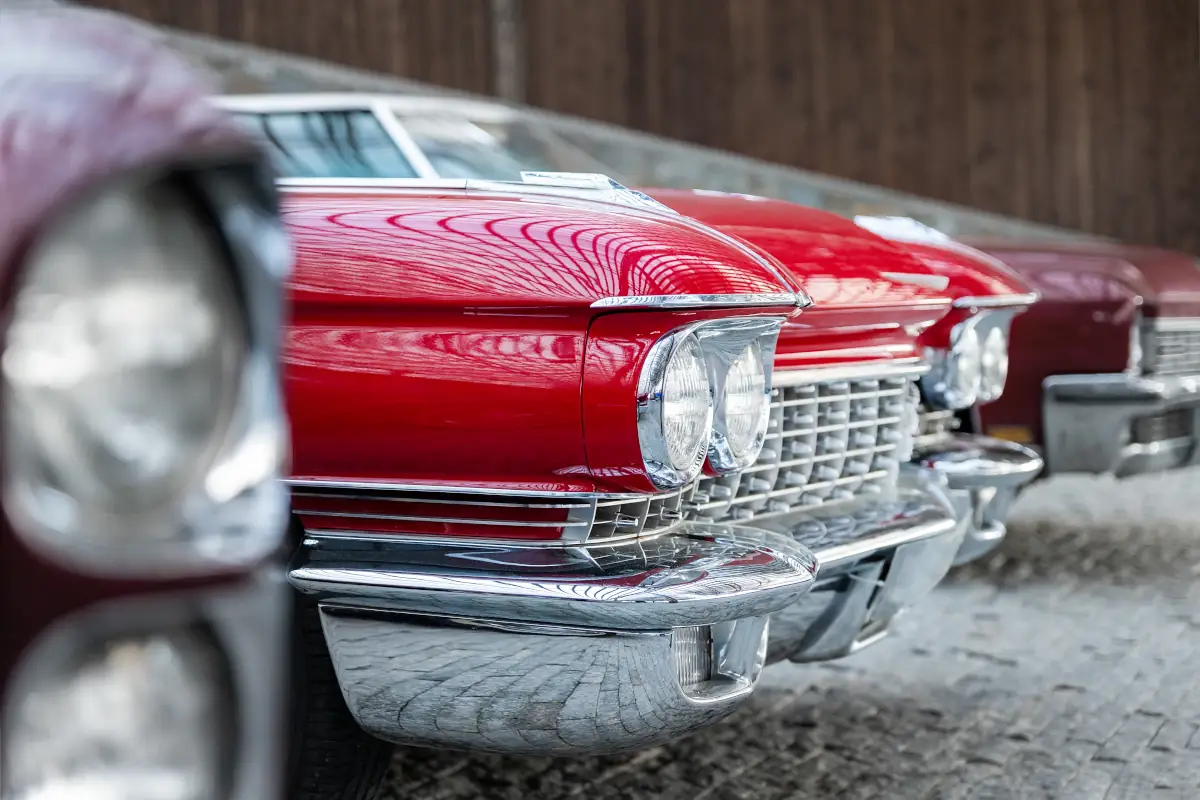
The California ‘Leno’s Law’ restoration surge arrives at a moment when the specialty automotive aftermarket already generates a staggering $40.44 billion in economic impact across the state. With Senate Bill 1392 moving emissions exemptions forward, classic car owners, restorers, and our team at Downtown Collision are watching a genuine wave of heritage vehicle work take shape.
For local drivers navigating everything from Highway 101 commutes to winding Sonoma Valley roads, understanding these changes now can help protect both your vehicle’s safety and your financial interests.
Key Takeaways
| Question | Quick Answer |
|---|---|
| What is Leno’s Law 2026? | Proposed legislation (SB 1392) that updates California’s smog-check exemption cutoff, supporting classic car restoration and ownership. |
| Why is restoration surging? | Eased emissions rules make smog-exempt car builds and heritage vehicle maintenance more practical for owners statewide. |
| Where can I get classic work done locally? | At an I-CAR Gold Class certified auto body repair facility equipped for restoration paint and bodywork. |
| What paint matters for classics? | A modern auto paint process using the Spies Hecker Waterborne System for a lustrous, period-correct finish. |
| Will I have transportation during repair? | Yes. We provide no-cost loaner vehicles when you don’t carry rental coverage for collision repair. |
Understanding the California ‘Leno’s Law’ Restoration Surge
Named in honor of comedian and lifelong car collector Jay Leno, the proposed law would update emissions rules that have governed California classic car restoration for two decades.
The current model year limit for emissions exemptions has sat at 1976 for years. Under the proposed schedule, the cutoff would move to 1981 at the start of next year, eventually reaching 1985 by 2032 through a rolling exemption.
What does that mean in plain English? Thousands of additional vehicles would become eligible for smog-exempt status, and owners who once hesitated to invest in a full restoration suddenly have a clear path forward.
This is the engine behind the California ‘Leno’s Law’ restoration surge. When the regulatory burden eases, the cars come out of the garage and into the shop.
Why the Numbers Behind Leno’s Law 2026 Matter
The environmental argument against older cars has always been louder than the data supports. Only about 7% of California’s smog checks are performed on pre-OBD II vehicles, which underscores their minimal footprint compared to daily drivers.
In practical terms, many STAR-certified stations test fewer than one of these older cars per day. These are not the vehicles clogging California’s air, and the legislation reflects that reality.
What this means for you is simple: the heritage vehicle in your garage is increasingly recognized as a cared-for collectible rather than a pollution problem. That recognition is fueling demand at every restoration-focused auto body shop in the state.
The Restoration Paint Process for Heritage Vehicles
Restoring a classic is not the same as repairing a late-model commuter car. The paint work, in particular, demands a level of craftsmanship that separates a true restoration paint shop from a standard body shop.
Fine tuning the paint formula is a careful process that needs to be done by an accomplished professional so that the final repair will appear to have faded naturally as the rest of the vehicle did. On a 1970s muscle car or a vintage lowrider, that color sensitivity is everything.
We rely on computerized color matching to recreate period-correct shades, then apply them through a system built for both beauty and compliance. Going green doesn’t mean we have to sacrifice quality however; the Spies Hecker Waterborne Paint System delivers a lustrous, brilliant finish.
That same low VOC option that protects the environment also gives your heritage vehicle a depth of finish that honors the original build. You can learn more about our full auto paint process and how we approach color restoration.
Choosing the Right Auto Body Shop During the Restoration Surge
As the California ‘Leno’s Law’ restoration surge brings more classics into circulation, demand for skilled hands has climbed. Not every collision repair facility is equipped for restoration-grade work.
Here is what to look for in a restoration-capable auto body shop:
- Certified expertise: Look for an I-CAR Gold Class certified team that documents its training and standards.
- Large-scale capacity: An 80-foot paint booth allows us to handle everything from sedans to RVs and commercial trucks under one roof.
- Proper paint technology: A dedicated paint shop with waterborne capability and computerized matching.
- Transparency: A shop that explains the process before any work begins.
At Downtown Collision, we believe in complete transparency about the repair process. We accomplish this by giving the best technicians the best tools so they can do what they do best.
It is our mission to return your vehicle to it’s pre-accident condition through the paint process, and that same commitment carries directly into heritage vehicle maintenance and full restorations.
This infographic highlights the five indicators signaling a rise in auto restoration activity linked to California’s Leno’s Law. Learn how policy changes influence restoration trends.
Smog-Exempt Car Builds and What They Mean for Owners
The phrase “smog-exempt” carries real financial weight for enthusiasts. When a vehicle qualifies, owners can pursue performance and aesthetic builds without the constraints of an annual emissions test.
This is precisely why the restoration surge is gaining momentum. Smog-exempt car builds, from engine refresh projects to full body-off restorations, become far more attractive when the regulatory clock no longer ticks against you.
For Sonoma County collectors, this opens the door to projects that were previously parked on the to-do list. A 1979 truck or an early-80s coupe that once felt like a compliance headache now represents a worthwhile investment.
Our role is to support those builds with structural integrity and finish quality, restoring sheet metal, repairing rust, and applying color that looks original to the era.
Protecting Your Financial Interests and Insurance Rights
The restoration surge does not erase the realities of collision repair and insurance negotiations. If a classic is damaged in an accident, owners face the same pressures every policyholder does, sometimes worse.
Insurers may push a quick total loss determination on an older vehicle, claiming repair is impractical. We see this regularly, and we push back on your behalf with documentation and capability.
When insurers claim a large vehicle cannot be repaired locally, having access to a facility with an 80-foot paint booth directly contradicts that assertion.
That same logic protects classic and collector car owners. A restoration-equipped paint shop with proven capability gives you leverage in insurance negotiations and supports a fair total loss determination.
Lower estimates that exclude proper restoration work may end up costing more in the long run through reduced value and potential future repairs. If you have questions about a claim, we encourage you to contact our team directly.
Heritage Vehicle Maintenance and Modern Technology
Not every classic stays purely original. Many owners add modern safety and convenience systems during a restoration, and that introduces a consideration most people overlook.
Modern vehicles are essentially computers on wheels, and even retro builds increasingly carry updated electronics. When those systems are present, sensor and camera recalibration is not an optional add-on service, it’s an essential part of restoring your vehicle to proper condition.
Our technicians will explain which systems in your specific vehicle require calibration and why. For a restored classic with added driver-assist features, this step keeps the vehicle both authentic and safe.
Heritage vehicle maintenance is about balance, preserving the character of the original while ensuring the car performs reliably on today’s roads.
Keeping You on the Road During Your Restoration
Restoration work takes time, especially on heritage vehicles where craftsmanship cannot be rushed. We understand that being without transportation creates real disruption.
That is why we provide our own late-model loaner vehicles at no cost if you don’t have rental coverage when in an accident. This policy gives you peace of mind when your daily driver receives the attention it deserves.
You can review the details of our loaner vehicle program and plan your project timeline accordingly.
Conclusion
The California ‘Leno’s Law’ restoration surge represents more than a policy change. It signals real opportunity for collectors, builders, and everyday enthusiasts who want to invest in California classic car restoration with confidence.
As emissions exemptions expand and smog-exempt car builds become more practical, the demand for skilled restoration work will only grow. Our team is ready to meet that demand with certified expertise, an 80-foot paint booth, the Spies Hecker Waterborne system, and a commitment to your financial interests.
Whether you are starting a full restoration or protecting a classic after an accident, we invite you to reach out to Downtown Collision and put our craftsmanship to work for you.
Frequently Asked Questions
What is the California ‘Leno’s Law’ restoration surge in 2026?
It refers to the rise in classic car restoration activity tied to Senate Bill 1392, which updates California’s smog-check exemption schedule. As more vehicles qualify for exemption, owners are investing in restorations, driving demand at every restoration-focused auto body shop in the state.
What year does Leno’s Law 2026 exempt for smog checks?
The proposal moves the emissions exemption cutoff from 1976 to 1981 at the start of next year, with a rolling schedule reaching 1985 by 2032. This expansion is a key driver of the current California classic car restoration trend.
Is a classic car restoration worth it in 2026?
For many owners, yes. With eased smog-exempt rules and a $40.44 billion aftermarket economy behind the hobby, heritage vehicle maintenance and full restorations are increasingly seen as sound investments rather than compliance burdens.
Can a regular collision repair shop handle classic car restoration?
Not always. Restoration requires period-correct color matching, rust repair, and large-scale paint capability. We recommend an I-CAR Gold Class certified facility with a dedicated paint shop and proven experience on heritage vehicles.
What paint is best for a restored classic car?
We use the Spies Hecker Waterborne Paint System, a low VOC option that delivers a lustrous, brilliant finish. Combined with computerized color matching, it recreates original shades while remaining environmentally responsible.
Will my insurance cover a damaged classic car restoration?
Coverage depends on your policy, but owners have rights during insurance negotiations and total loss determination. A restoration-capable auto body shop can document repair feasibility and help protect your financial interests against a premature total loss call.
Do you offer a loaner vehicle during a restoration?
Yes. We provide our own late-model loaner vehicles at no cost when you don’t carry rental coverage, so you stay mobile while your classic is in our care.